LVMH CRM Overview
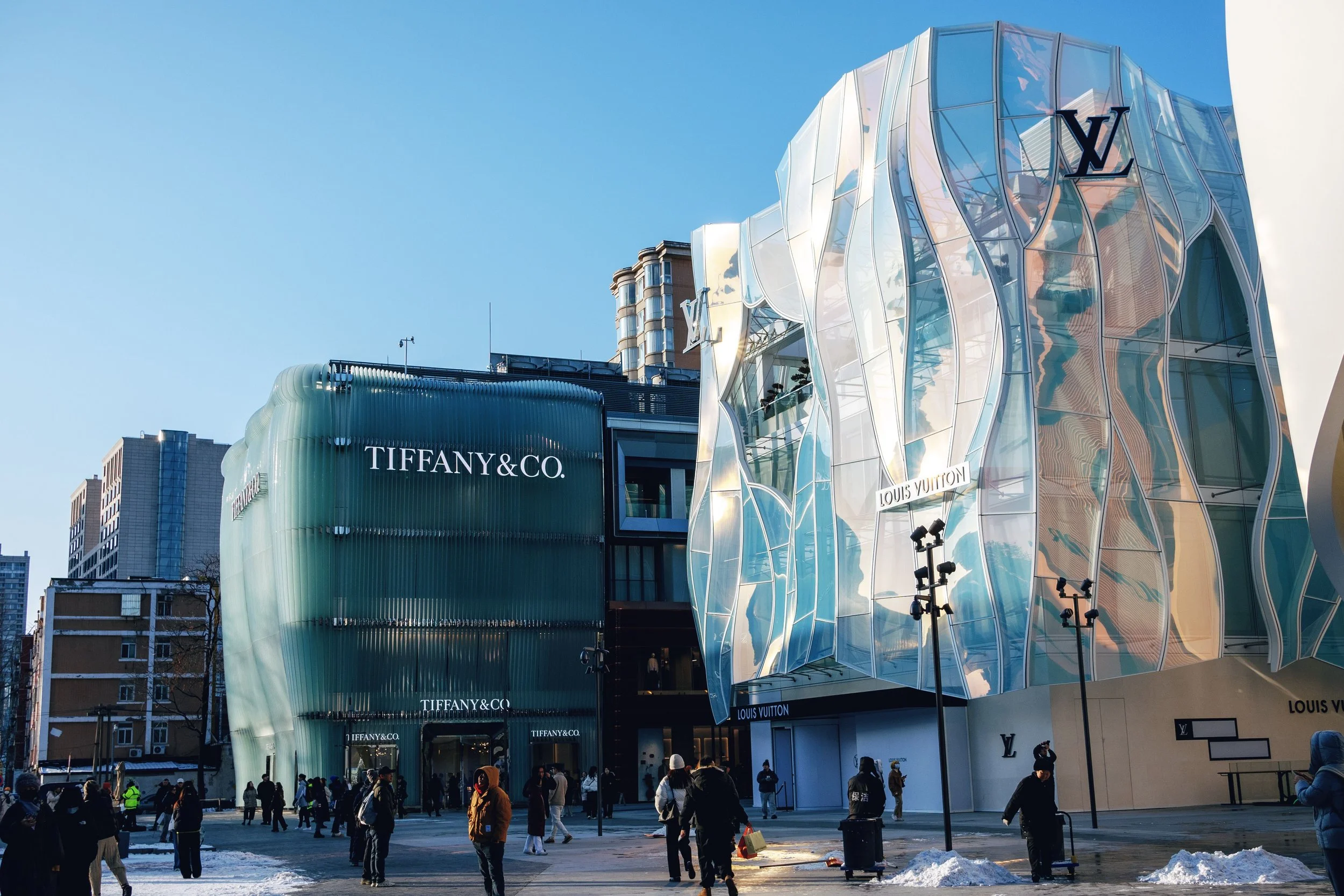
How the world’s largest luxury group uses customer relationship management to create loyalty, exclusivity, and long-term customer value.
Project Type: Academic Research & Analysis
Focus Areas: CRM • Customer Experience • Luxury Marketing • Clienteling
The Challenge
In an increasingly digital world, how does a luxury conglomerate maintain meaningful customer relationships across dozens of brands and industries?
My Analysis
This project examines the role of CRM in supporting personalization, loyalty, and and the unique challenges of managing customer relationships within the luxury industry.
Key Insights
Customer 360 View
LVMH collects data from retail, e-commerce, events, and client advisors to build a holistic understanding of each customer. These insights are then used to enhance both in-store and digital experiences through greater personalization and more informed client interactions.
Technology-Enhanced Luxury
CRM and digital tools such as AI and VR enable highly tailored experiences while preserving the exclusivity and heritage expected from luxury brands.
A Centralized Data Platform
By centralizing customer insights across its maisons, LVMH can identify patterns and preferences that may not be visible within a single brand, creating new opportunities for engagement and supporting more coordinated customer relationship strategies.
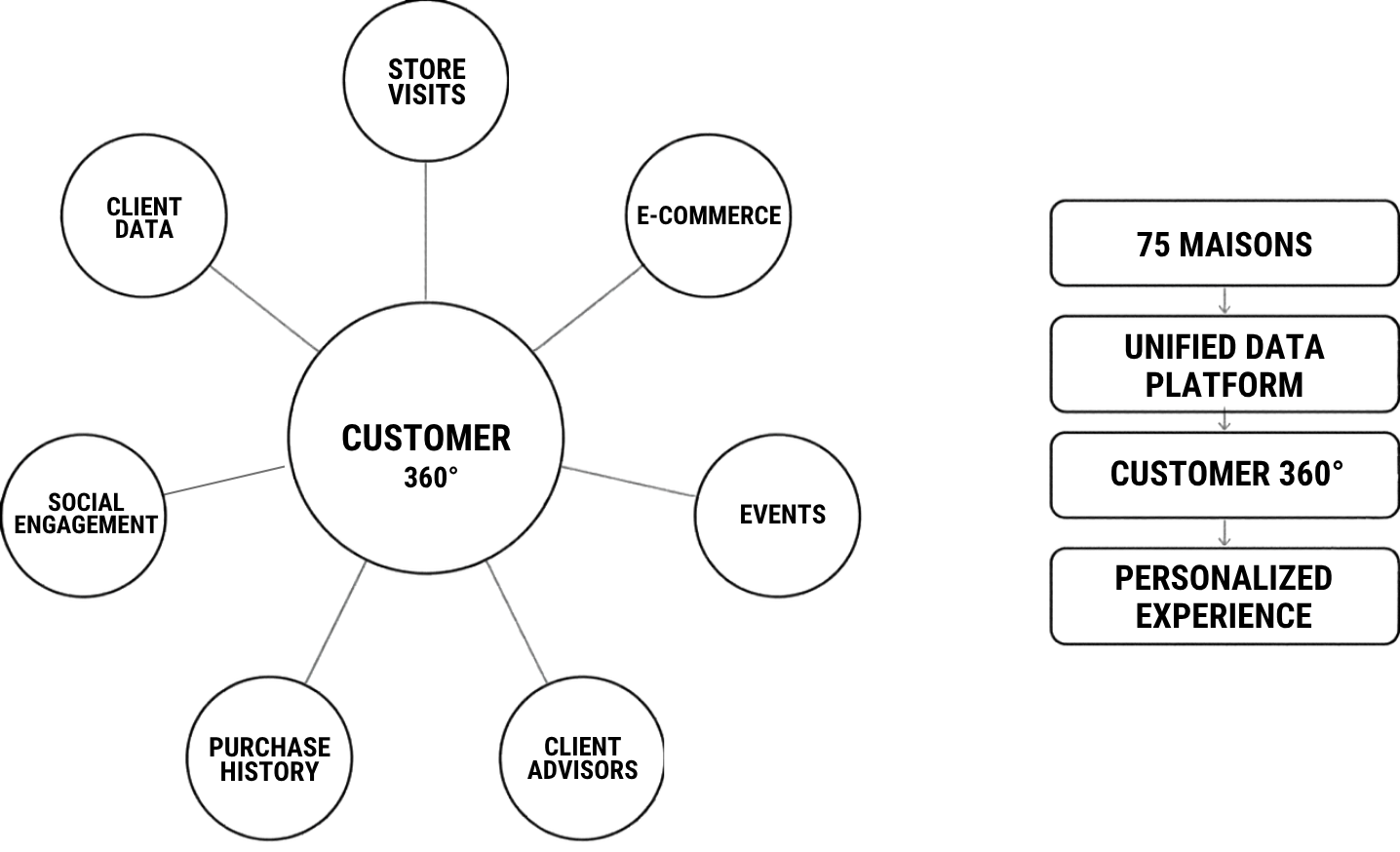
Customer 360 diagram developed to visualize how LVMH integrates customer touchpoints into a unified CRM ecosystem.
Why It Matters
Luxury CRM goes beyond driving sales. By unifying customer interactions through an omnichannel strategy, brands can create more personalized experiences and strengthen the long-term relationships that are essential to success in the luxury industry.
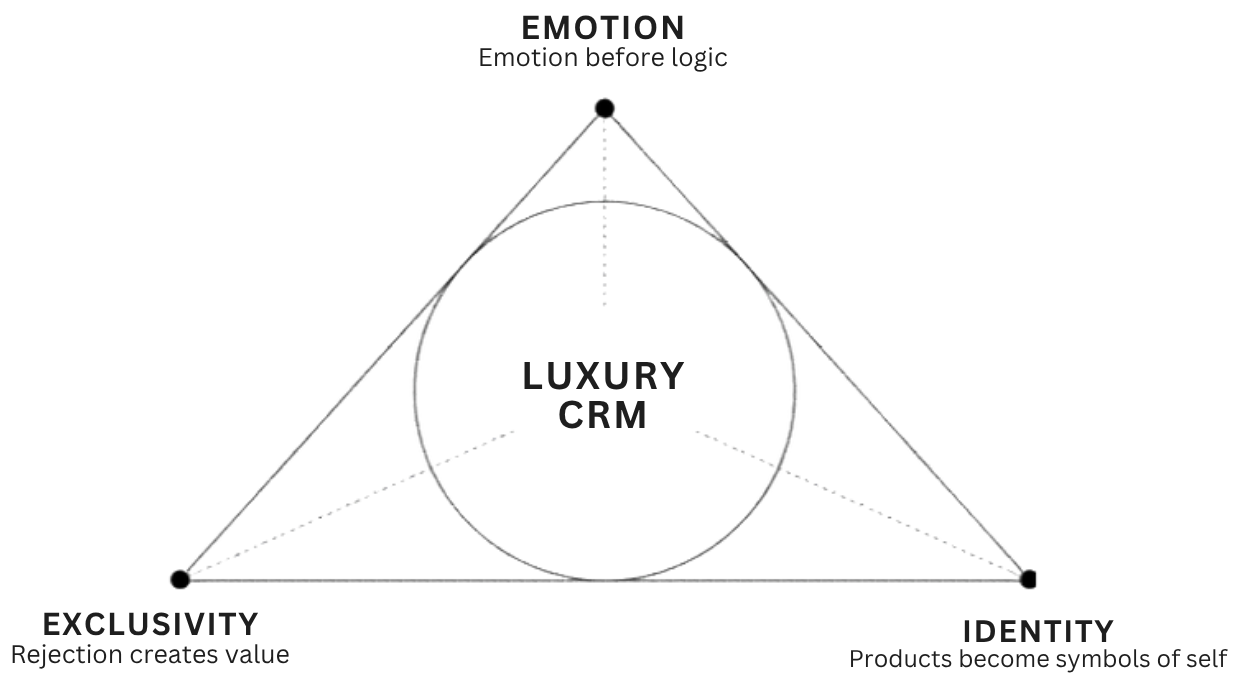
Conceptual model illustrating the relationship between emotion, exclusivity, and identity in luxury customer relationship management based on concepts from Primo (2026).
Key Takeaway
Luxury CRM succeeds when technology supports the emotional connection, exclusivity, and sense of identity that define luxury brands.
Recommendations
Opportunities for Future Growth
-
Continue using AI to better anticipate customer preferences, recommend relevant products, and deliver more personalized communications while maintaining the exclusivity expected in luxury retail.
-
Develop a more unified view of customers across LVMH maisons to identify shared interests, uncover cross-selling opportunities, and strengthen long-term customer relationships throughout the portfolio.
-
Create a more seamless connection between in-store, online, and client advisor interactions to ensure customers receive a consistent and personalized experience across every touchpoint.
-
Use advanced analytics to identify high-potential customers earlier, predict future purchasing behavior, and allocate relationship-building efforts more effectively.
Skills Demonstrated
Reflection
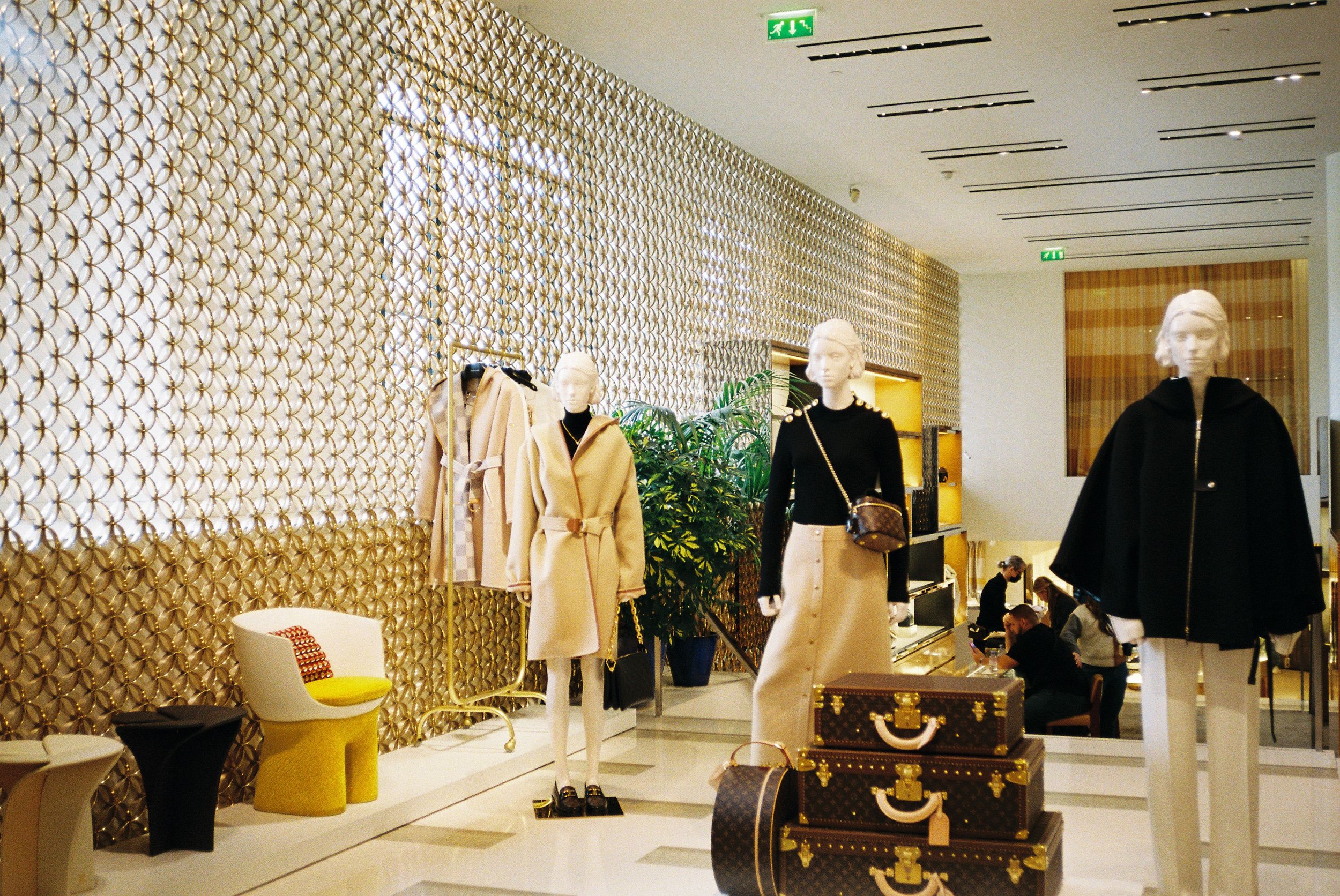
This project strengthened my understanding of CRM in the luxury industry and how brands use CRM and emerging technologies to create more personalized experiences while maintaining a sense of exclusivity and brand heritage. One of my key takeaways was that luxury CRM is about much more than selling a product, it’s about building relationships, creating memorable experiences, and fostering long-term customer loyalty through targeted strategies. It also highlighted the importance of collecting customer data at every touchpoint and using those insights to better understand customer needs, personalize interactions, and make more informed business decisions.